
On National Identity, Belonging and Patriotism
What Patriotism Means When Home Is Romania
Patriotism.
Oxford Learner’s Dictionaries defines patriotism as “love of your country and the willingness to defend it; often characterized by a strong emotional attachment and pride.”
I knew the definition. And I thought I was a patriot despite my nomadic nature.
Because no matter where I am, and what I do, and no matter how grand my traveling adventures are, I just can’t stop thinking about home.
And home — no matter where I go, and no matter what I do — is always Romania.
My favorite Romanian critic and philosopher, Octavian Paler, once said:
“I don’t believe in a universal Romania… I believe in a Romania where I have a mother and a father.”
In my case, it extends further.
To siblings, cousins, nephews and nieces, sisters-in-law, brothers-in-law, and all their adjacent family. Because that is the Romanian way.
Family does not end where the immediate household stops. It stretches outward like roots in the soil — messy, intertwined, stubbornly alive.
A Country Born Between Empires
We have been fooled, tricked, invaded and conquered by other nations for centuries, largely because of the unfortunate geopolitical position of Romania.
Long before Romania existed, Dacia stood here. And Dacia was conquered by the Roman Empire precisely because it sat where empires always fight to control land — the bridge between East and West.
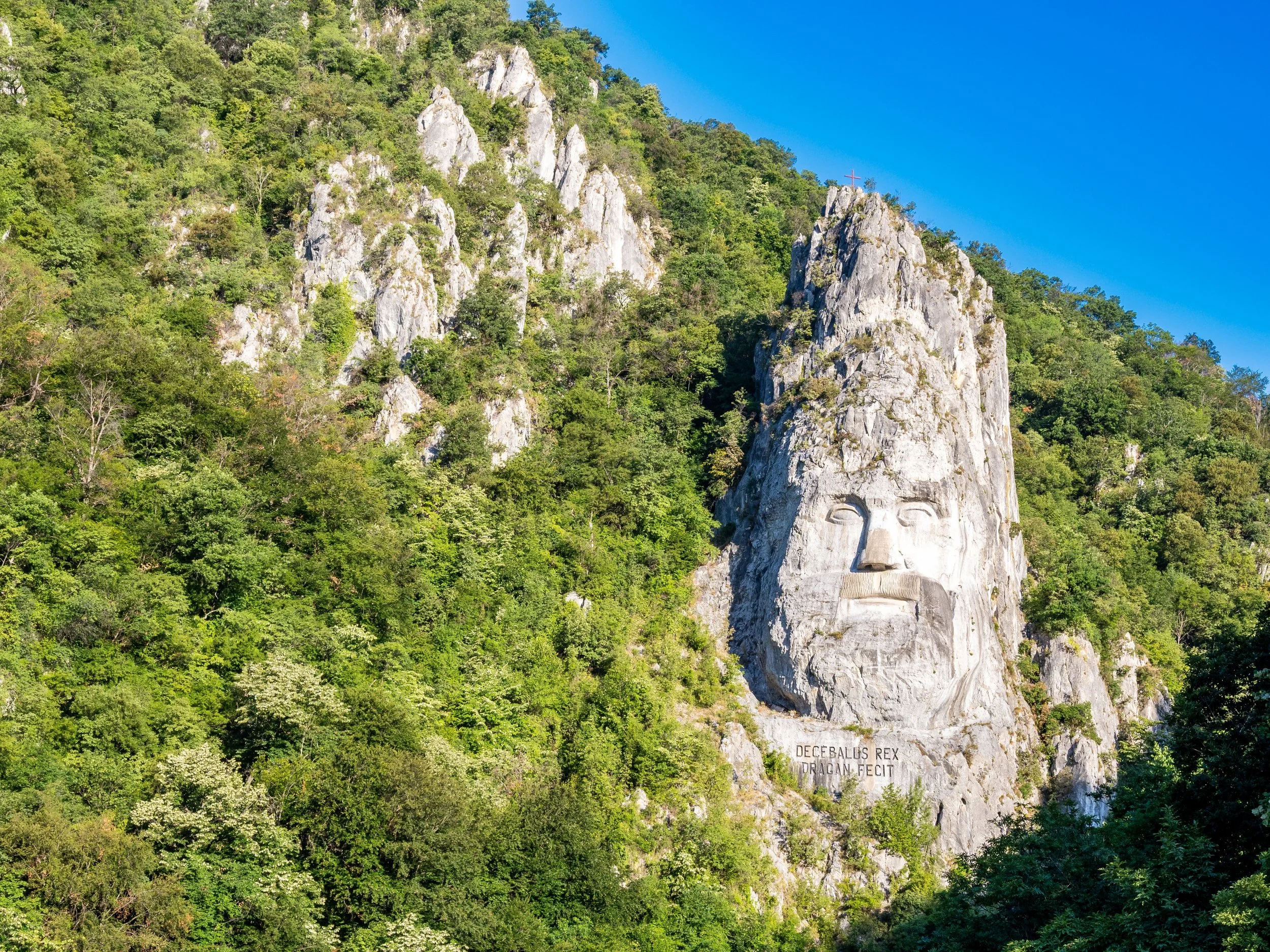
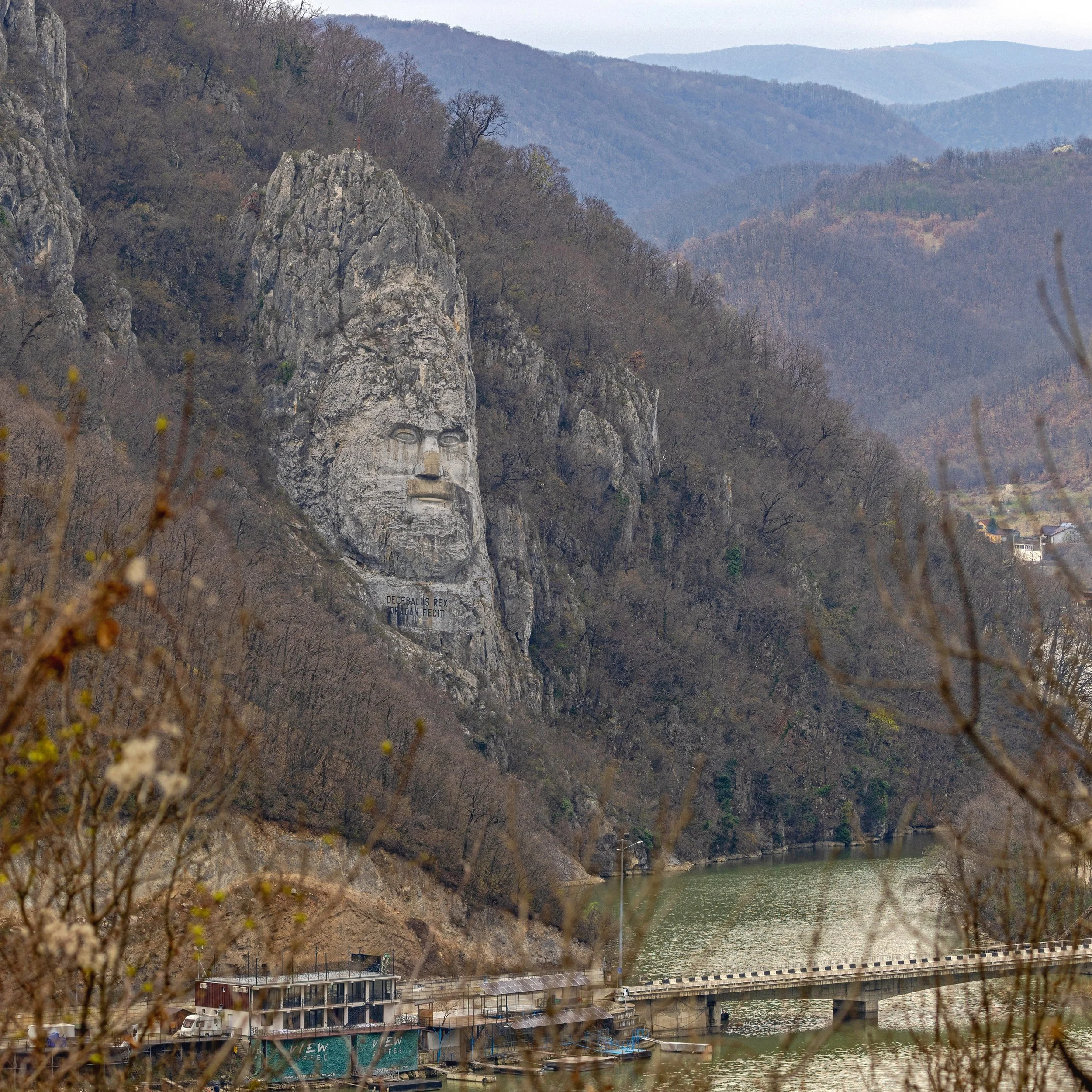
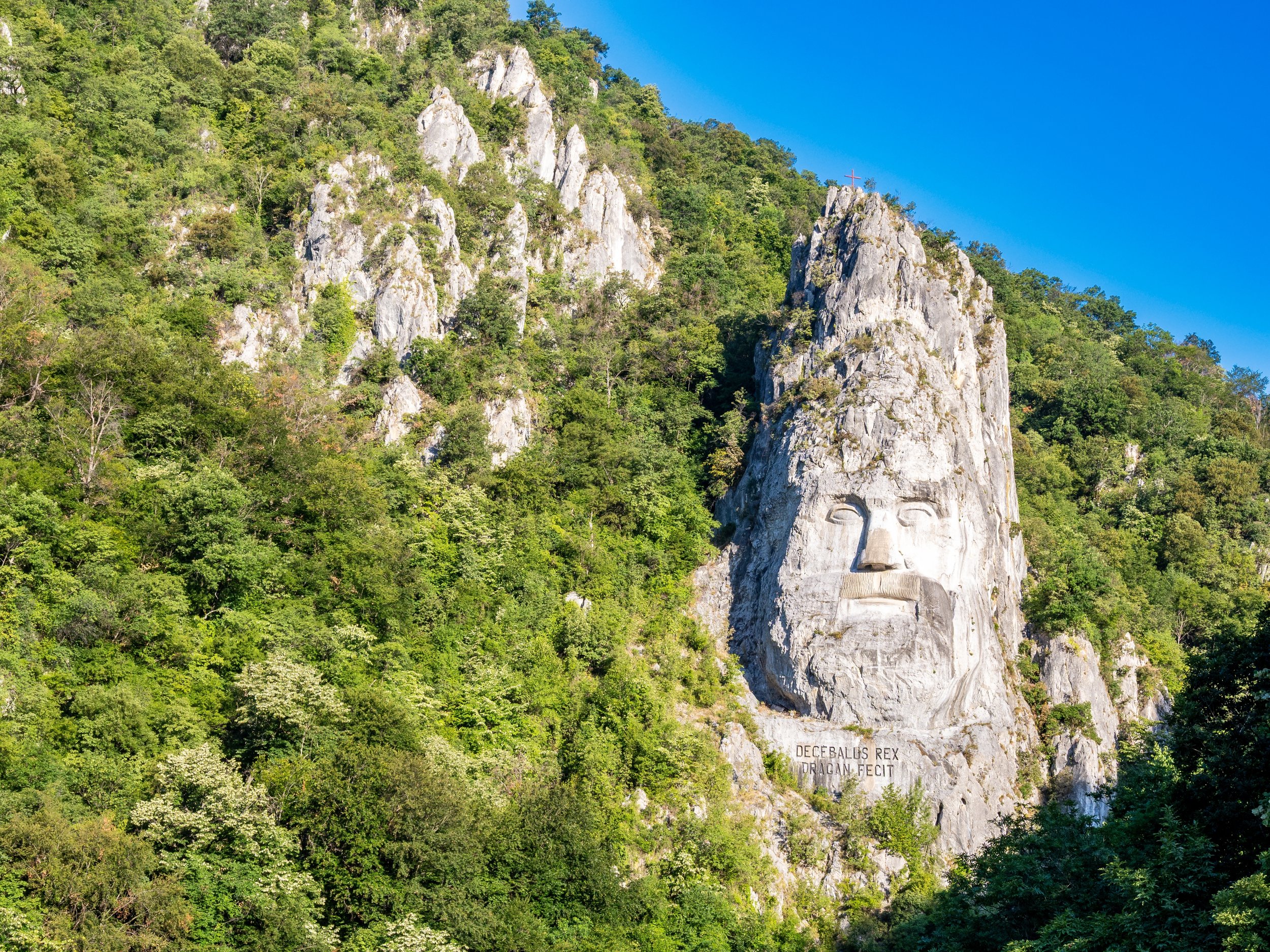
Massive rock sculpture of King Decebalus carved into cliffs along the Danube River in Romania.
Romania’s geopolitical trajectory, from the ancient kingdom of Dacia to a modern NATO and EU member, has always been defined by this role.
A bridge. A buffer. A crossroads. A land that sits where great powers collide.
And lands like that rarely get to live in peace.
The Long Memory of a Small Nation
Our story begins with the Dacians, a powerful people unified by King Burebista in the first century BC. They built a kingdom strong enough to threaten Rome itself.
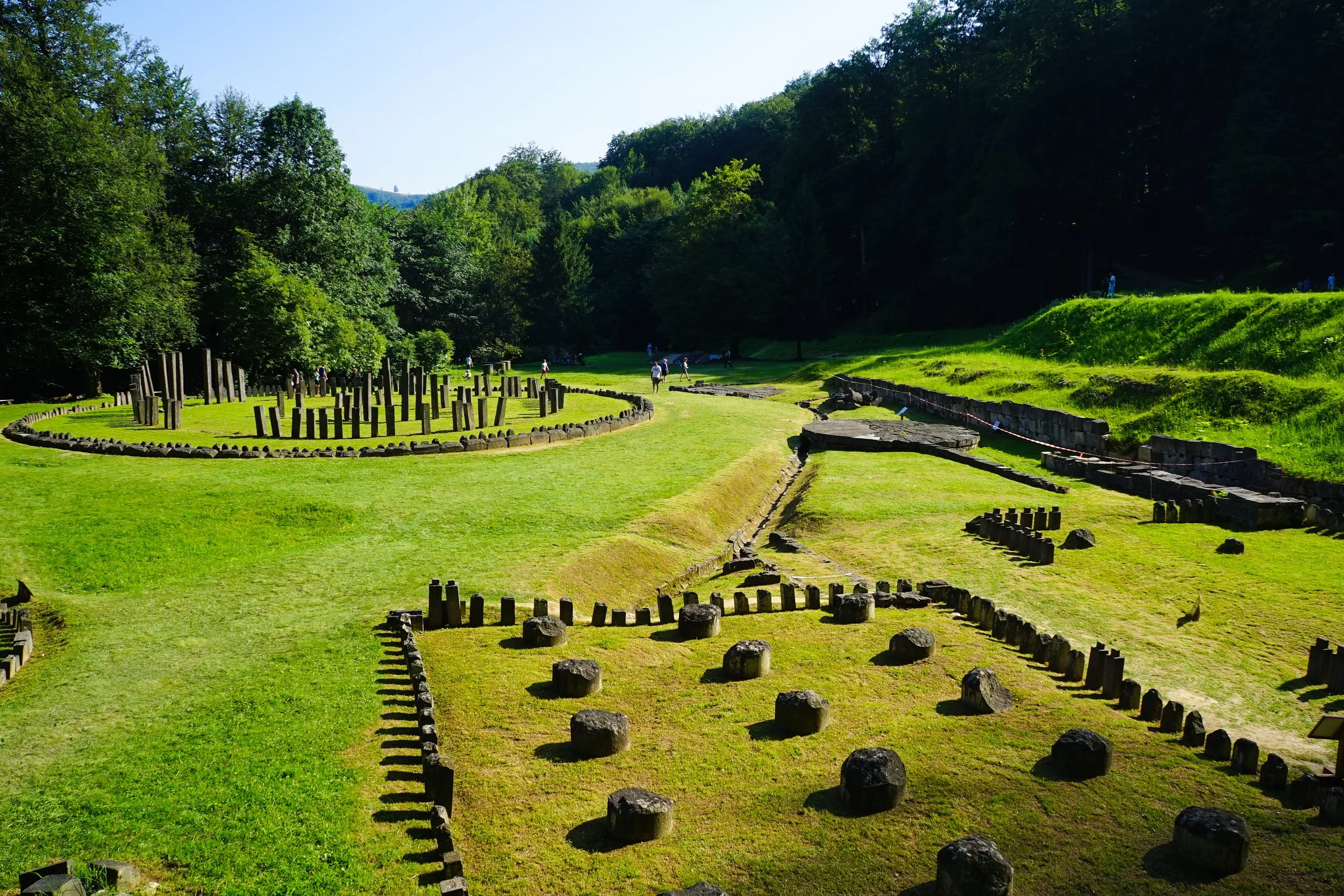
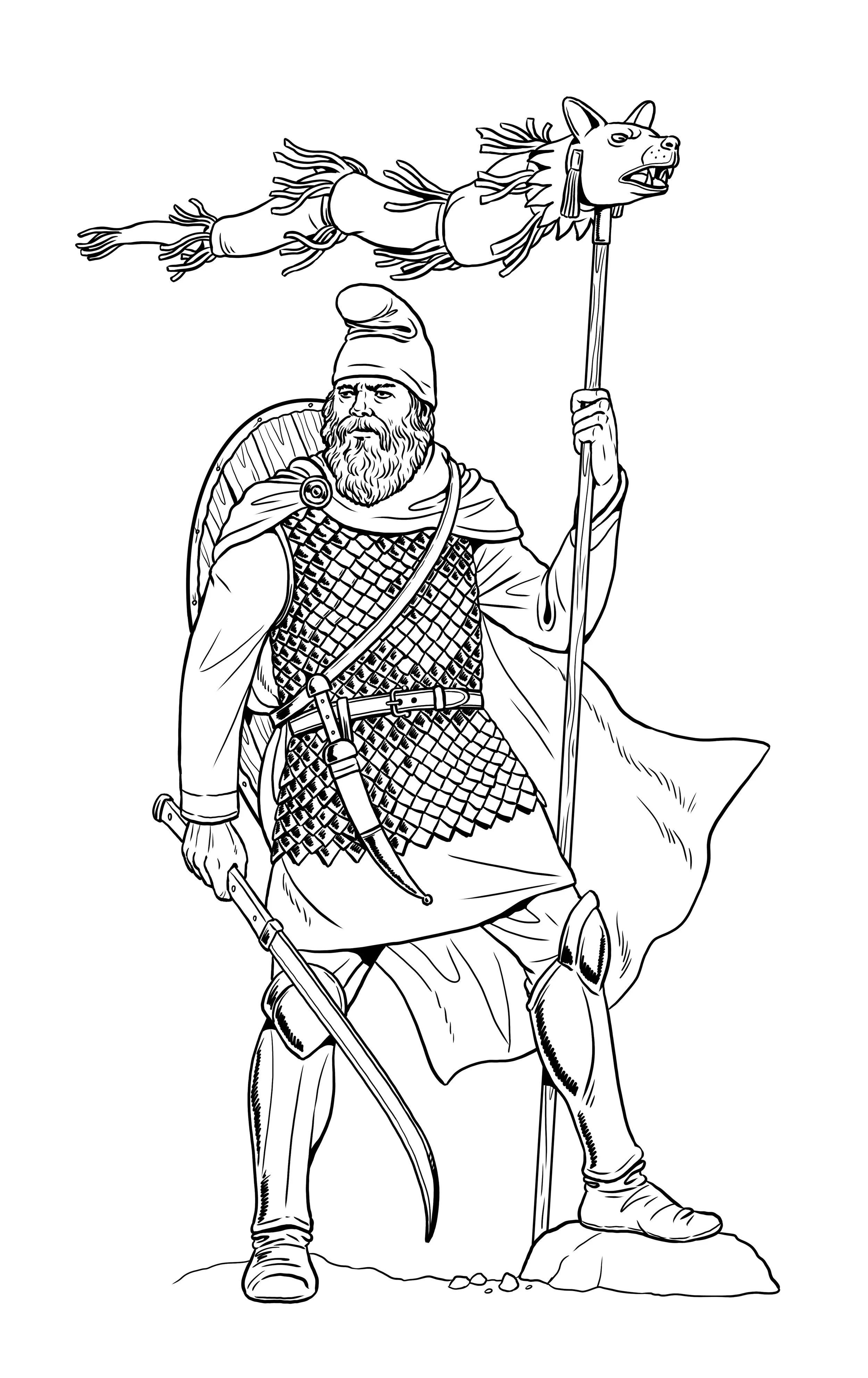
But Rome eventually came. Emperor Trajan conquered Dacia in 106 AD, drawn by its wealth, its gold mines, and its strategic location between the Carpathian Mountains and the Danube.
What followed was not simply conquest. It was transformation.
The merging of Dacian and Roman cultures formed something entirely new — the foundation of the Romanian people. A Latin culture born in Eastern Europe, surviving centuries of migrations, invasions, and shifting borders.
Romania became what historians sometimes call “a Latin island in the East.”
A Land That Empires Passed Through
After Rome came the migrations. Goths. Huns. Gepids. Avars. Slavs. Then the Mongol invasion that devastated the region in 1241.
Then centuries of pressure from powerful neighbors:
The Ottoman Empire.
The Habsburg Empire.
The Russian Empire.
Romanian principalities like Wallachia and Moldavia survived by walking a narrow line — sometimes paying tribute, sometimes negotiating autonomy, sometimes resisting outright.
For generations, Romanians were simply people who farmed their land, tended to their families, and built small communities rooted in soil and seasons.
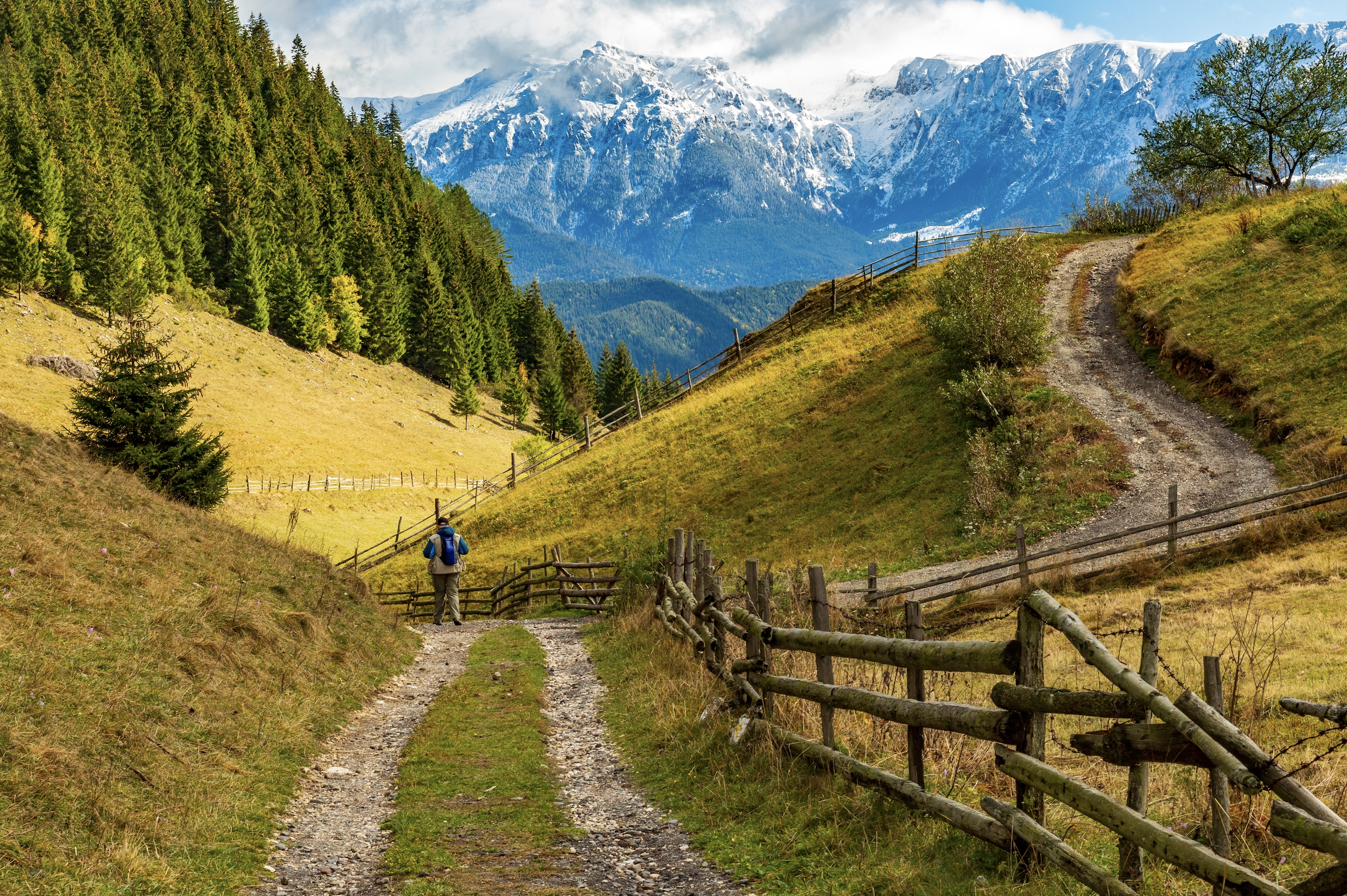
But history forced them into something else. Warriors. Defenders. Survivors.
And I often ask myself:
What grower becomes a conqueror?
What free people — who love peace, family, and connection — suddenly become famous warriors and ruthless conquerors?
None. And that is my point. At our roots, we were a peaceful, nature-loving people. The world forced us to become something else.
War, Famine, and the Weight of History
Wars reshaped us. Famine hardened us. Forms of government we were too gullible to recognize as malignant reshaped our society.
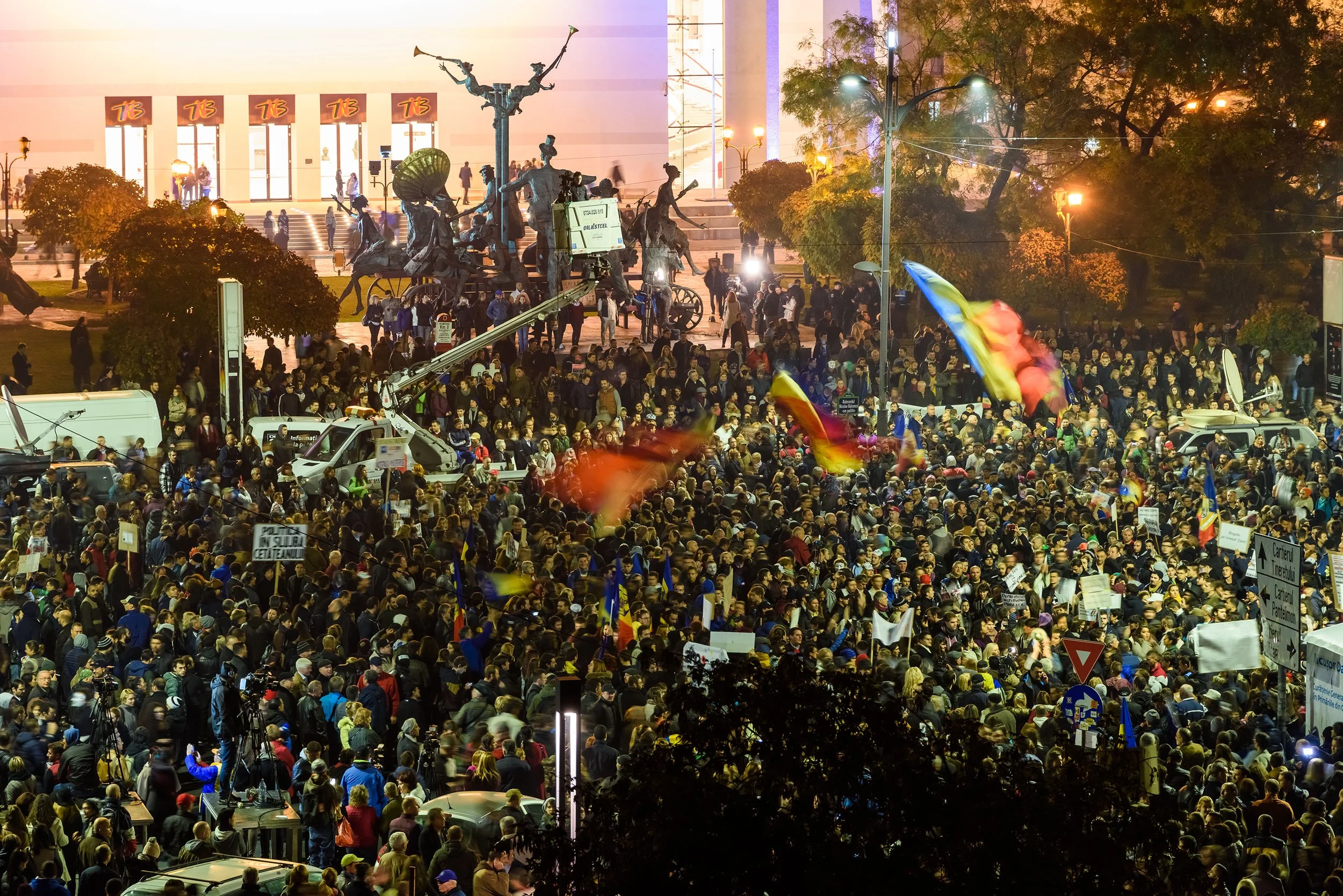
External forces drew new borders around us, changing the map of Romania again and again.
You would think that with such a tumultuous history, Romanians would treat their nation gently. But they don’t. The shadow of distrust left behind by Nazi and Communist regimes, the famine and chaos that followed them, turned us into a deeply skeptical people.
Romanians watch power carefully. We question authority instinctively. We expect betrayal.
Romania is a land of paradoxes. We endured domination by empires. We endured injustice from our own ruling classes.
But our patience ended with communism.
The Romanian Revolution of 1989
After 42 years of dictatorship, Romania exploded.
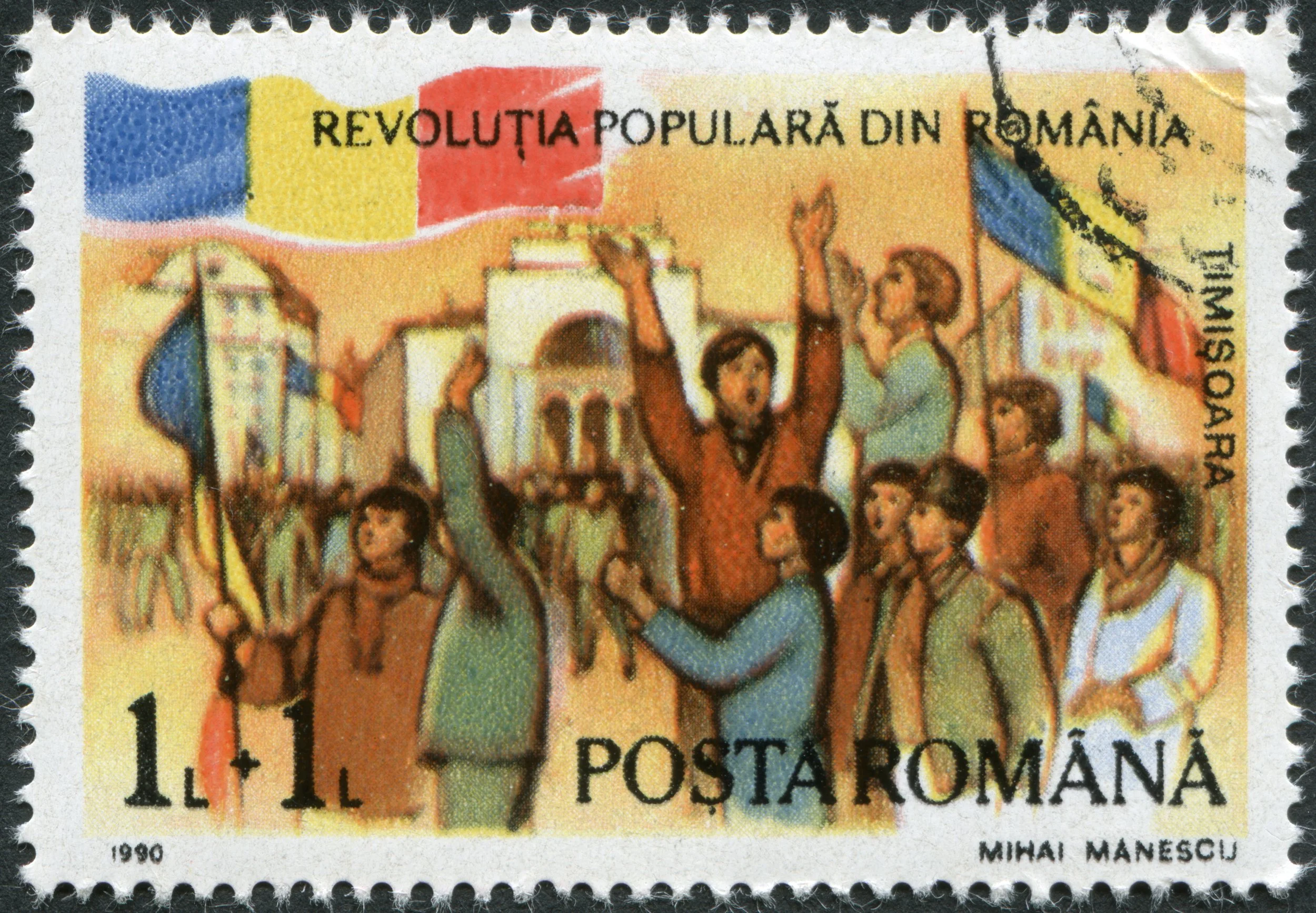
In December 1989, protests began in Timișoara after workers marched over the unsafe conditions that had killed a colleague.
The spark spread like wildfire. Within hours, protests erupted across the country. Romanians flooded the streets. From north to south. From east to west. The number of lives lost is impossible to measure in grief.
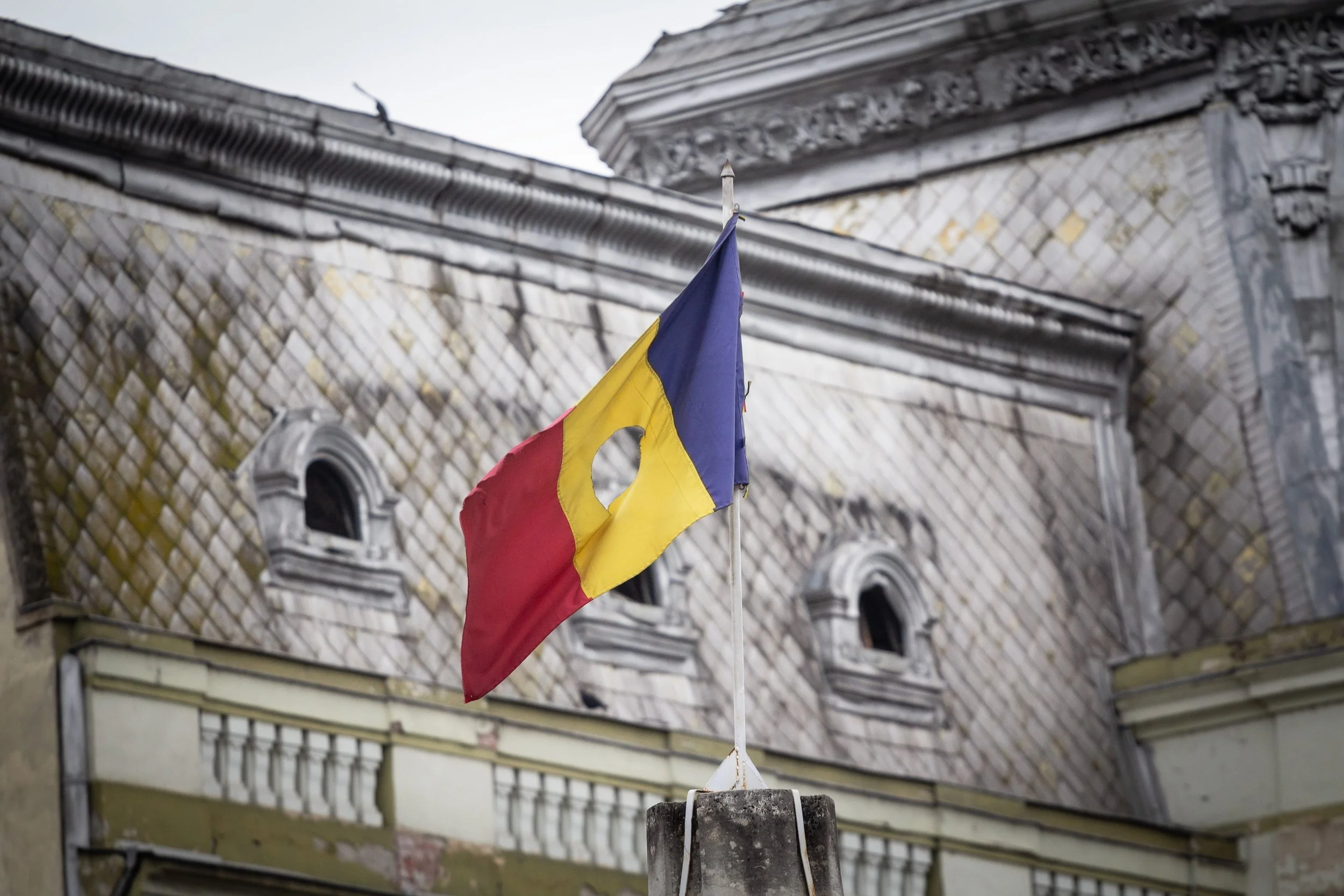
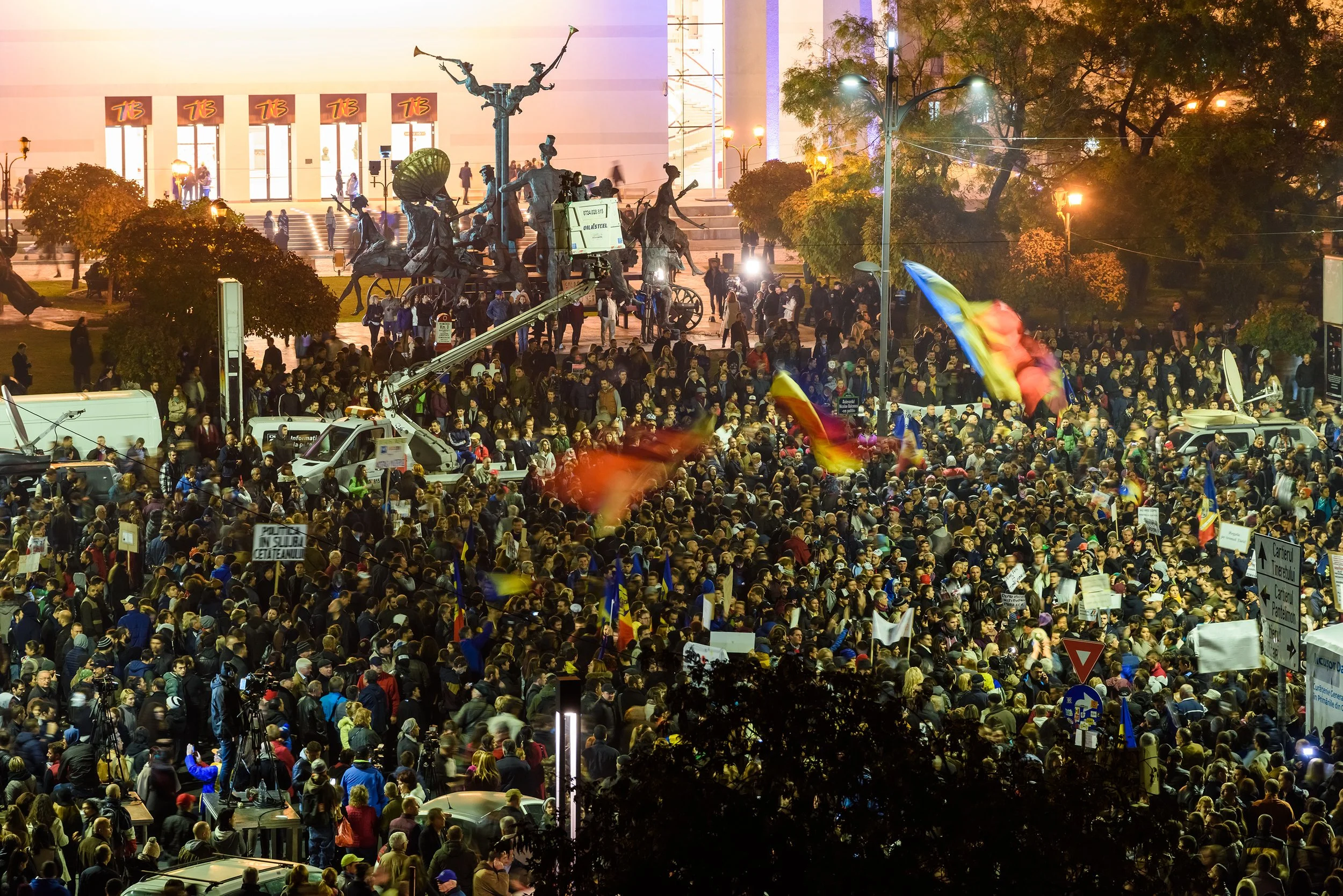
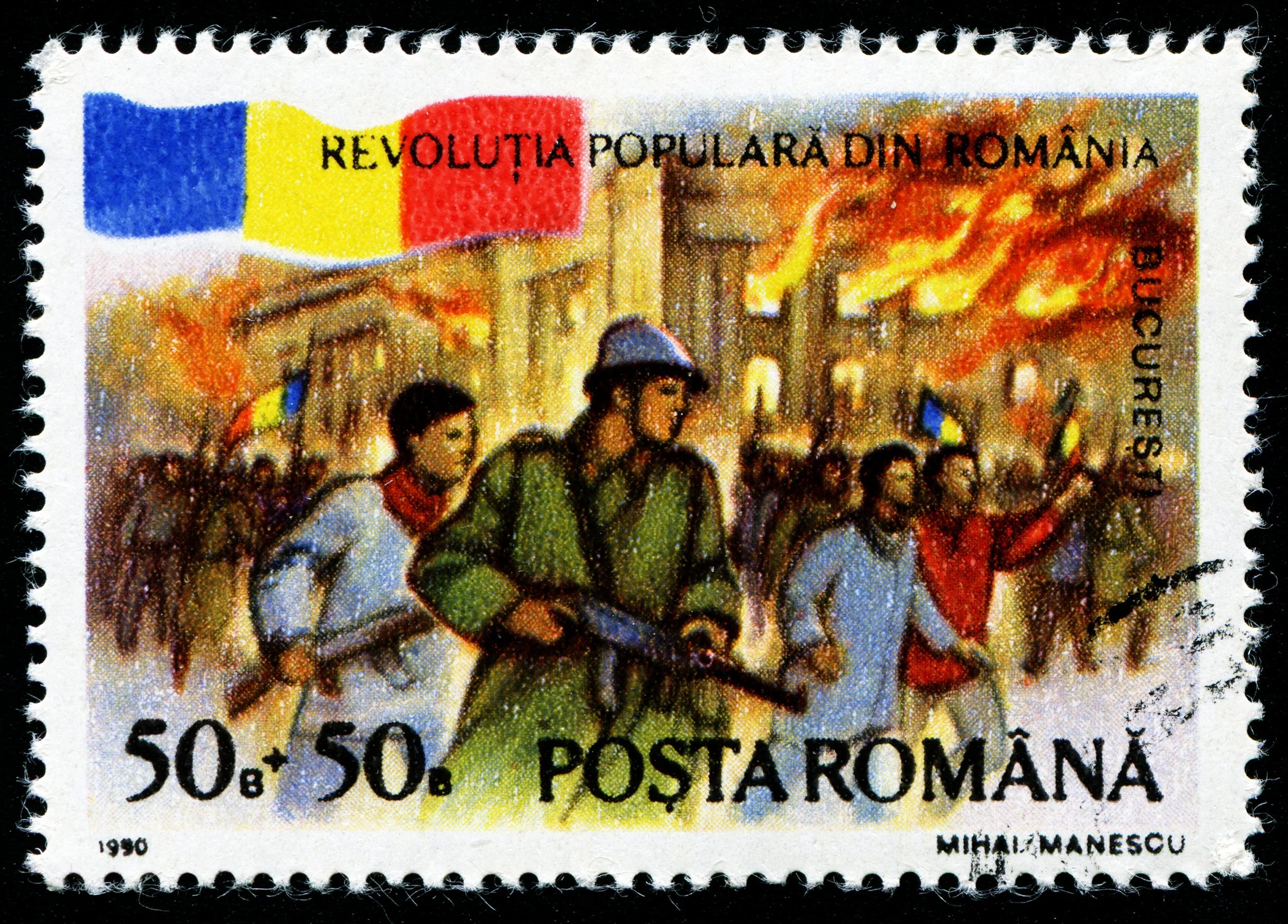
I was only five years old, but the memories remain vivid.
While children and civilians respected the curfew imposed by a collapsing regime, brave souls marched into gunfire. In the Revolution Square in Bucharest. In Timișoara. Across every major city in Romania.
Eventually the communist leaders — Nicolae and Elena Ceaușescu — were captured and executed on Christmas Day 1989.
One hundred and twenty bullets. An entire firing squad. Cruel? Maybe.
But not to the Romanian who had spent hours standing in line for oil, milk, or bread.
Not to the families whose loved ones died building the Black Sea–Danube Canal, buried beneath concrete by overseers who could not be bothered with proper burial rites
After all, many of those workers were prisoners. And in those days, becoming a prisoner could mean simply reading the wrong book.
The Moment I Questioned Patriotism
During my first year in the United States, I attended a circus performance.
I was excited. But I did not expect how the show would begin. An entire stadium rose to its feet.
Hands over hearts. Singing the national anthem. It was the most powerful display of patriotism I had ever witnessed. Overwhelmed by the collective respect in the room, I stood up too.
But I could not place my hand on my heart. I could not sing.
I remember feeling slightly jealous. Romania does not inspire this kind of public devotion in its people. But standing among convinced patriots that evening, I began wondering about the real meaning of patriotism.
The Romanian Way of Loving a Country
Romanians criticize Romania constantly. We criticize our government. We criticize corruption.
Maybe patriotism is not about blindly embracing everything your country stands for, but about caring enough to question it.
Criticism, when it comes from love, is not rejection. It is initiative. It is the desire to see something grow, to see it become better than it is today. When we accept everything without question, we become myopic to a nation’s faults. And when we stop questioning, we stop encouraging change.
It might be easier to feel patriotic about a country that conquers others. It is harder to feel patriotic about a small nation that spent centuries being conquered. And yet I do.
I still feel patriotic about this small country forced to swim against the current of history. A country that somehow survived it all. And a country that, no matter how far I travel, still feels like home.
