
Mountain Roads That Touch the Sky
A Romanian Nomad guide to the Carpathian Mountains
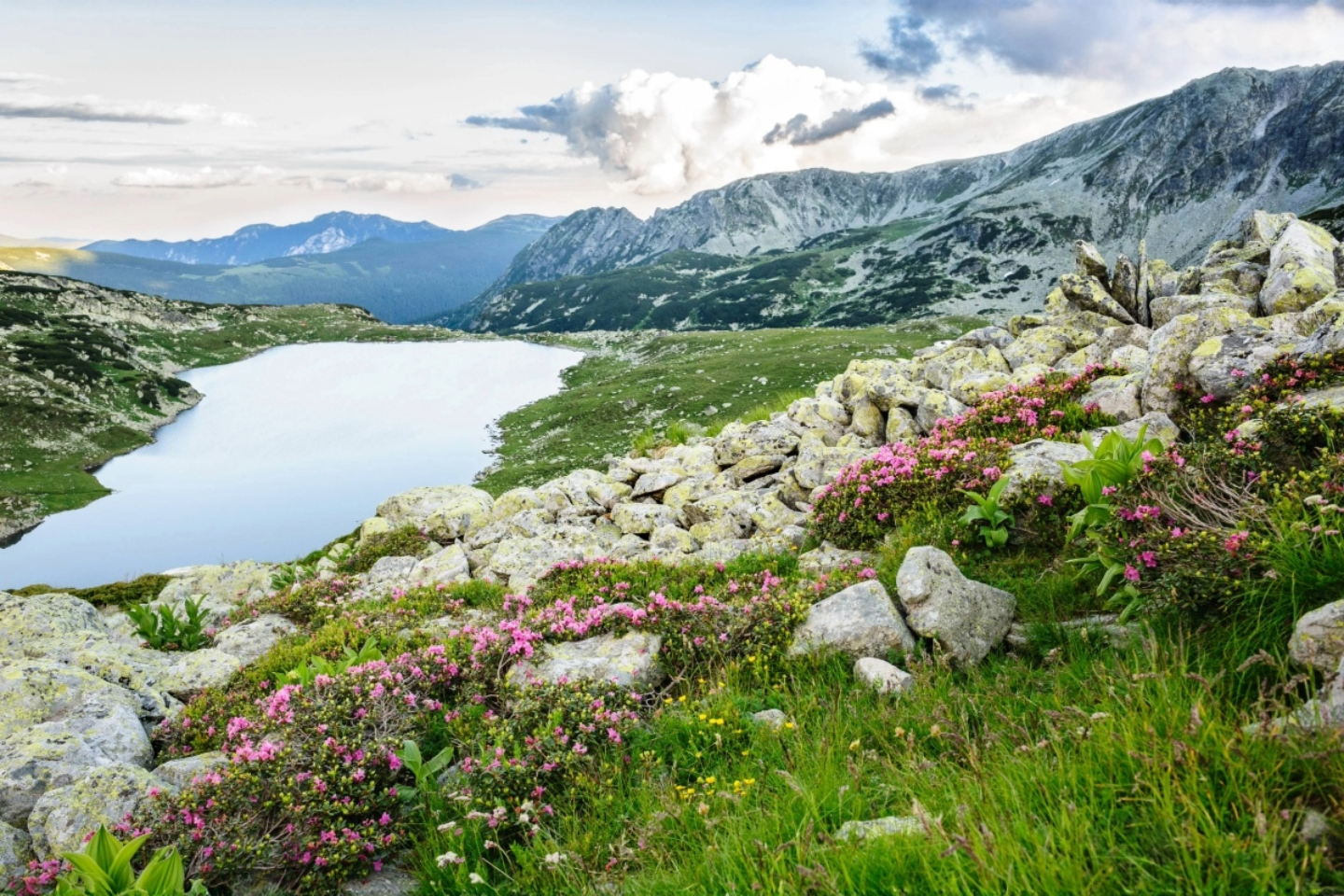
The Carpathian Mountains are the beating heart of Romania. They hold our rural traditions, our wild landscapes, and one of the country’s most beautiful secrets. For travelers searching for the true spirit of Romania, a road trip through the Carpathians is a pilgrimage for any traveler seeking the soul of this land.
I have climbed many mountains across the world, but few match the Carpathians for serenity, panoramic views, and the quiet feeling that time itself has slowed. Here, you stop hurrying. You linger longer on woodland trails, pause to listen to the rush of crystal-clear streams, and follow the distant roar of waterfalls just beyond the next hill.
No Romania travel guide feels complete without venturing into these mountains, where two of Europe’s most spectacular high-altitude roads wind through clouds and ridgelines like silver ribbons drawn across the sky.
The Transfăgărășan – The Road to the Sky
Carved through the Făgăraș Mountains during the Ceaușescu era, the Transfăgărășan Highway slices through mountains and valleys with drama that stirs the soul. Climbing above 2,000 meters, it twists through dramatic hairpin curves that reveal wild ridges, deep valleys, and the mirror-like waters of Bâlea Lake. Each turn feels like stepping deeper into a landscape shaped by wind, stone, and silence.
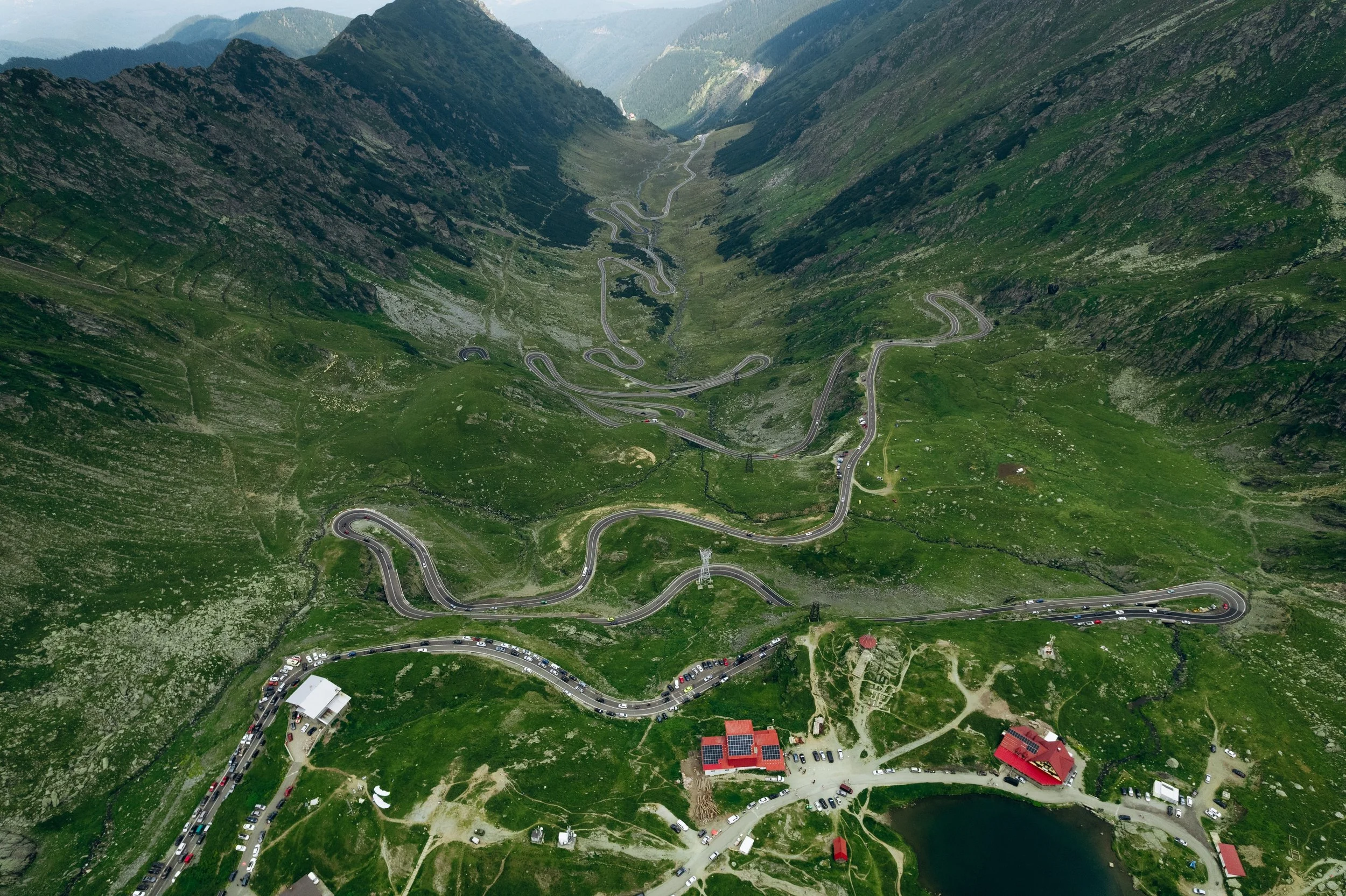
Often called “the most beautiful road in the world,” the Transfăgărășan draws travelers, motorcyclists, and photographers from every corner of the globe.
In summer, its slopes hum with life—engines echoing against the cliffs as travelers chase the perfect curve of asphalt framed by jagged peaks. In winter, the upper road disappears beneath heavy snow, leaving the mountains hushed and untouched until summer slowly returns.
The Transalpina – The King of the Mountains
If the Transfăgărășan is fierce and dramatic, the Transalpina is a giant that moves with quiet grace.
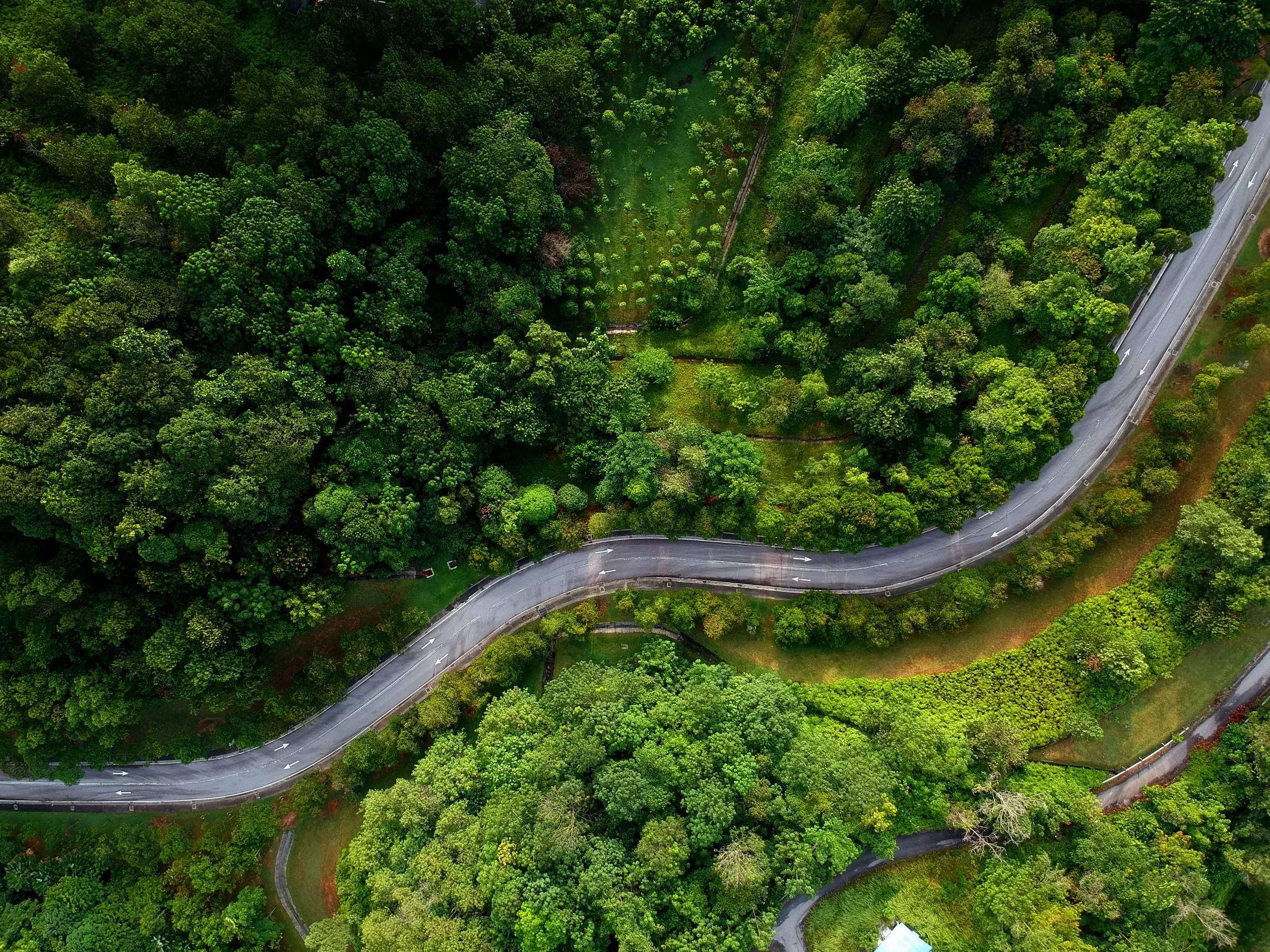
This is Romania’s highest road, cresting at 2,145 meters as it crosses the Parâng Mountains. Legend says the first paths here were carved by Roman legions before being rebuilt centuries later as a strategic mountain route.
Driving the Transalpina is not about adrenaline. It is about surrender.
The road glides gently through alpine meadows and windswept ridgelines where the horizon stretches endlessly and the sky feels almost within reach. The mountains breathe slowly here, and if you listen carefully, you can feel your own heartbeat slow with them.
Nature’s Monuments and High-Altitude Wonders
Beyond the legendary roads, the Romanian Carpathians reveal landscapes shaped by time, myth, and the patient work of wind and stone.
The Sphinx of the Bucegi Mountains – A Guardian in Stone
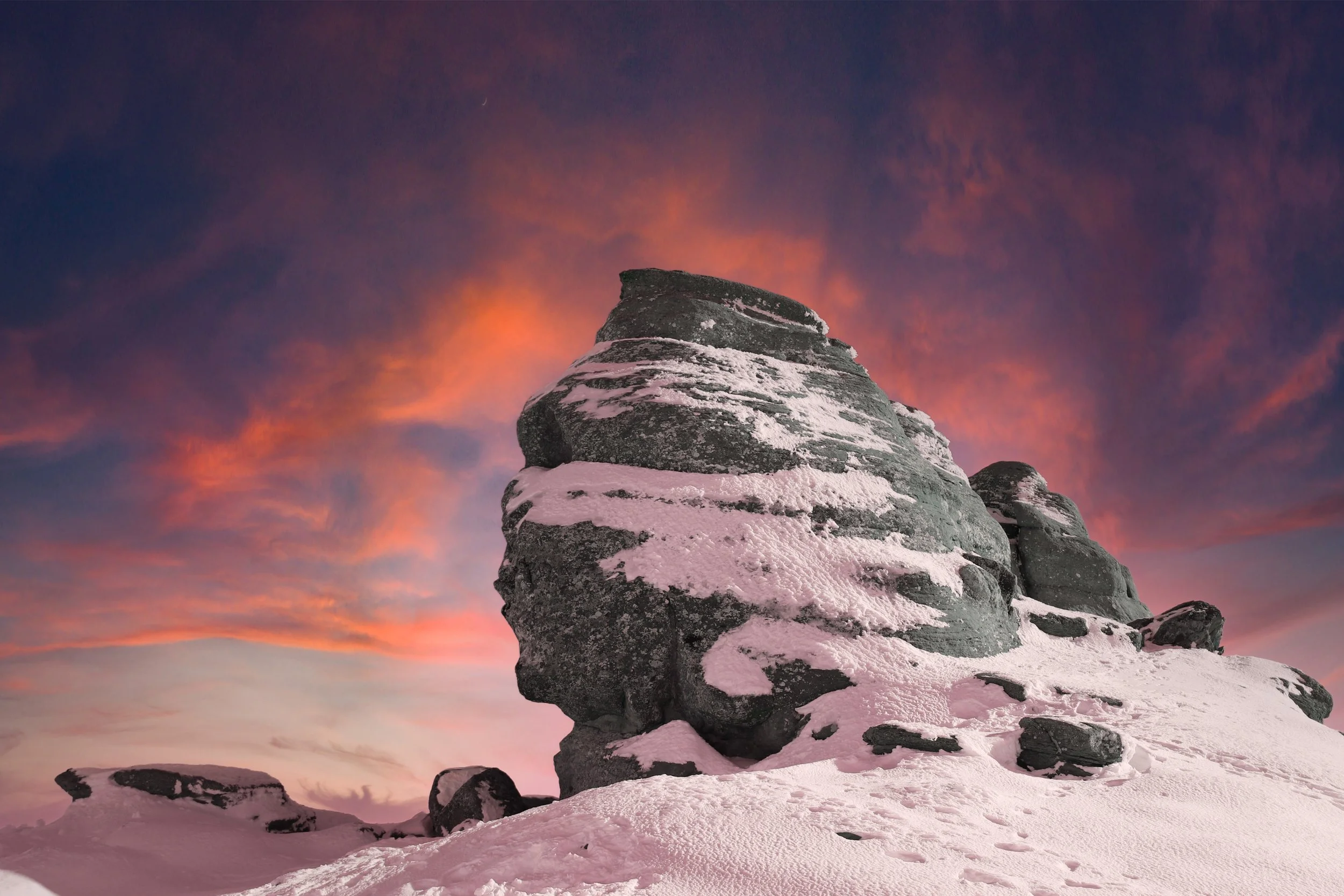
High above the forests of Bușteni, at 2,216 meters, stands the mysterious Bucegi Sphinx.
Carved slowly by wind and weather, the rock formation resembles its Egyptian namesake—silent, watchful, and ancient. Reaching it by cable car, visitors glide above deep forests until the landscape opens into a windswept plateau where legends whisper of Dacian sanctuaries and forgotten gods.
Standing before it, one cannot help but feel the strange weight of myth and memory carried by these mountains.
Moldoveanu Peak – Touching the Sky
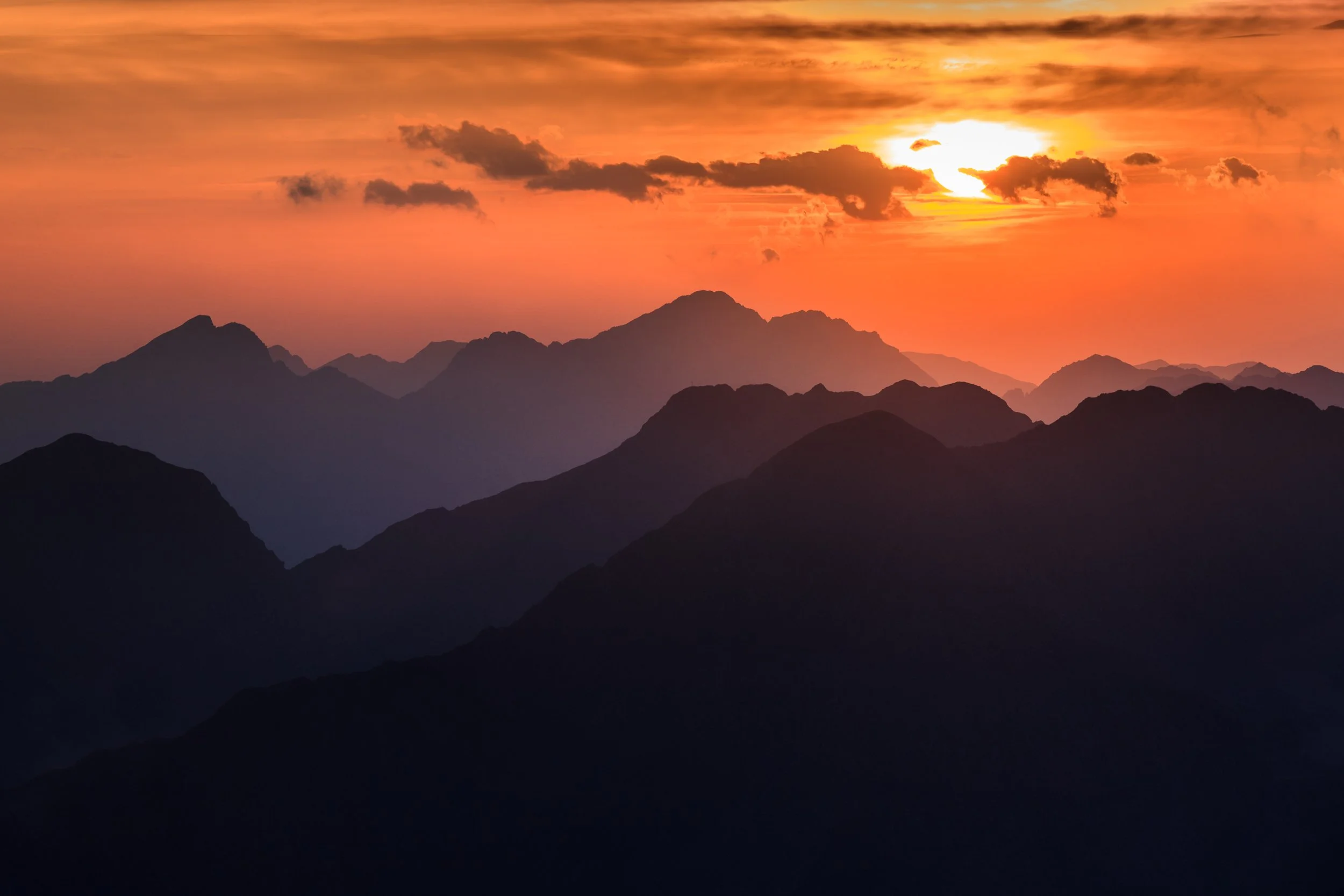
At 2,544 meters, Moldoveanu Peak rises as the highest summit in Romania.
The climb is demanding and the trails unforgiving, but those who reach the summit are rewarded with a view that stretches beyond imagination. From this rooftop of Romania, the Carpathian Mountains unfold in endless waves of ridges and forests fading into the horizon.
It feels, for a moment, like standing at the edge of the sky.
Retezat National Park – The Land of a Hundred Lakes
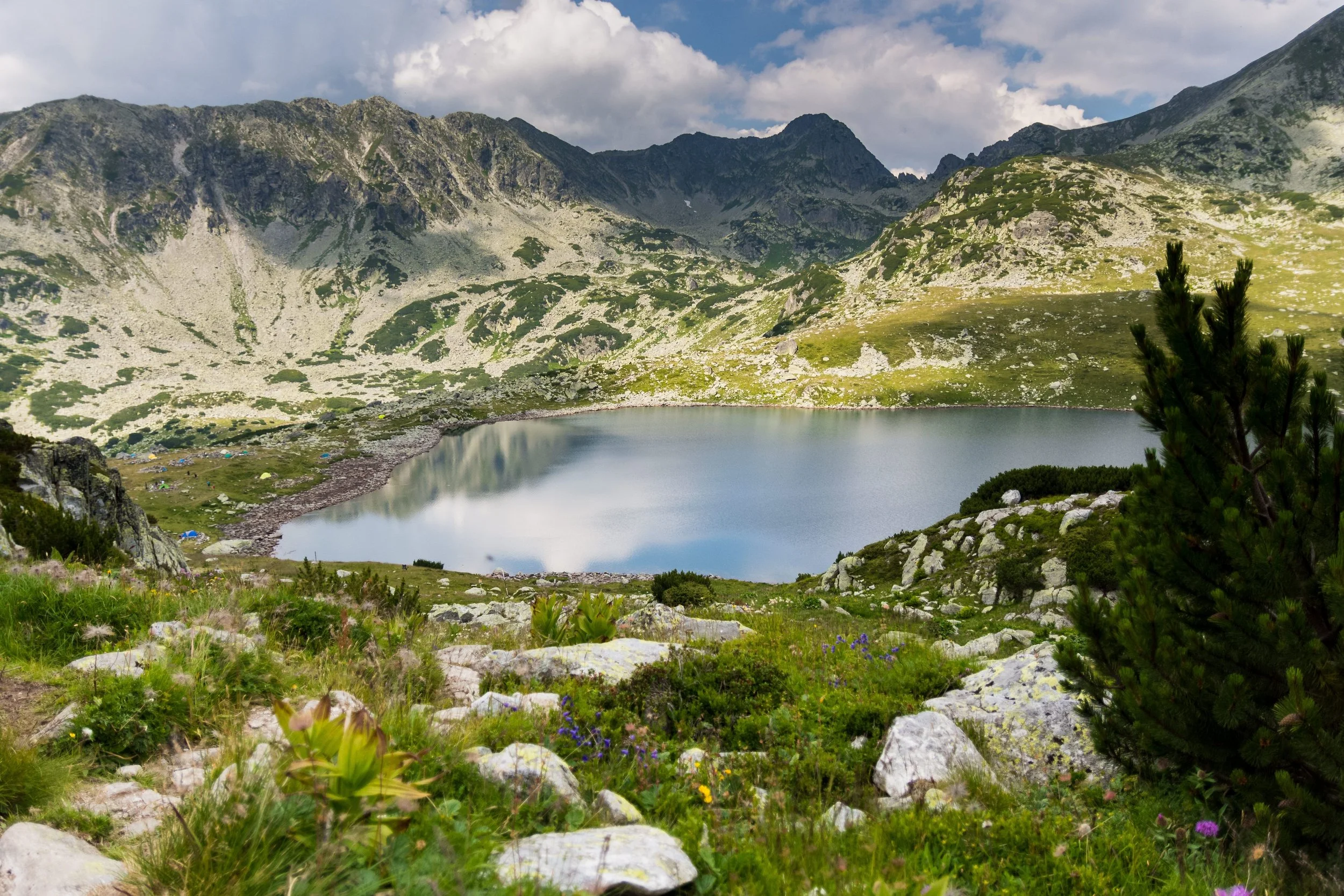
Deep in the western Carpathians lies Retezat National Park, a place where wilderness still reigns.
Here, jagged peaks guard more than 80 glacial lakes, including Lake Bucura, the largest in Romania. Alpine valleys, ancient forests, and crystal waters create a landscape so pure it feels almost untouched by time.
For hikers, Retezat is more than a destination.
It is a return to something ancient.
