
Walking to Machu Picchu: A Sacred Valley Journey
A Journey Through Mist, Stone, and the Sacred Valley
Some places in the world feel like destinations.
Others feel like pilgrimages.
For me, Machu Picchu was always the latter.
Long before I ever set foot in Peru, the ancient citadel hidden high in the Andes had already carved its place in my imagination. As a child, I had seen photographs of it rising above the clouds, perched impossibly on a ridge between towering green mountains.
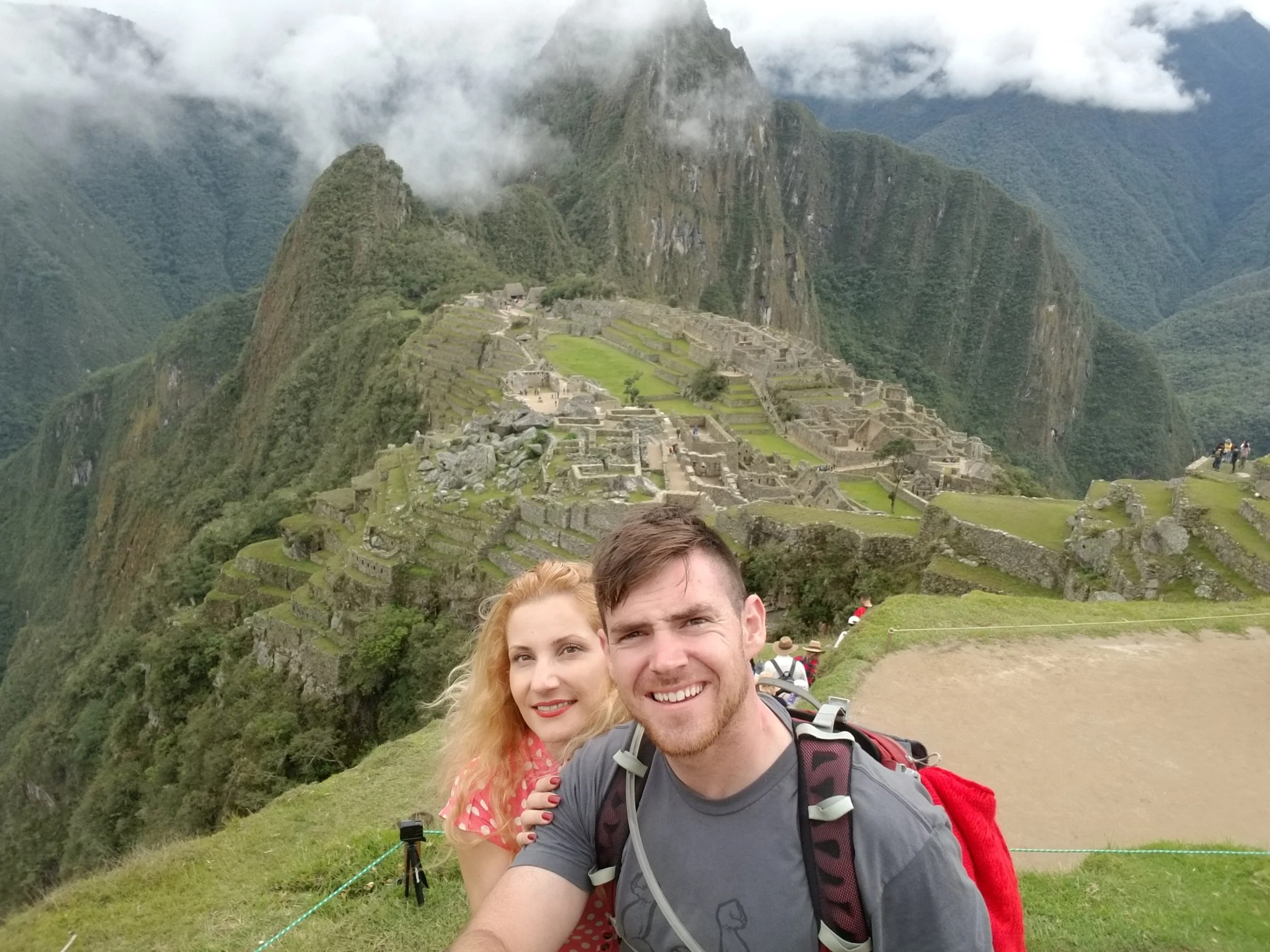
It looked less like a city and more like a secret whispered by the earth itself.
Years later, I found myself standing in Peru, ready to make the journey not by train or bus — but on foot.
The Long Walk Toward the Lost City
Our journey began near Cusco, once the capital of the Inca Empire and today the gateway to Machu Picchu.
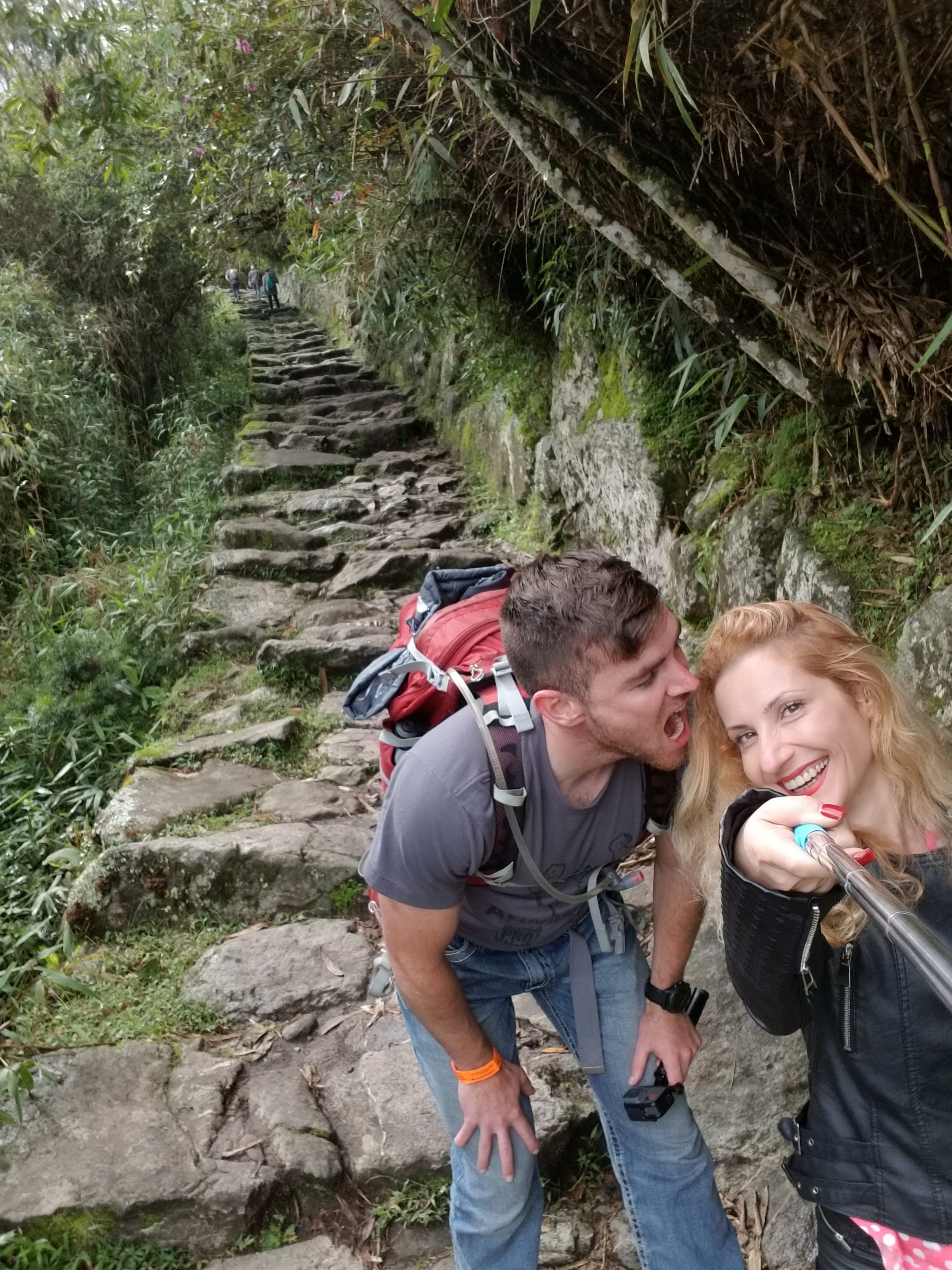
Instead of taking the comfortable route most travelers choose, we decided to walk the long path toward Aguas Calientes — the small mountain town that sits at the base of Machu Picchu. The trail follows the railway tracks through dense jungle and towering mountains. At times it feels quiet and peaceful; at other moments you feel dwarfed by the immensity of the landscape.
The air smells of wet earth and vegetation.
Clouds roll lazily over the peaks like slow-moving rivers of fog.
Every step feels like you are walking deeper into a forgotten world. The path toward Machu Picchu winds through lush vegetation, moss-covered rocks, and narrow trails carved into the mountainside. Sometimes the trail becomes a staircase of ancient stones.

Through Jungle Paths and Ancient Stones
Sometimes the trail disappears into the forest before revealing itself again around a bend.
Walking here, you begin to understand something about the Inca relationship with the mountains. Their roads were not built to conquer the landscape but to move with it.
Each turn reveals another dramatic view of the valley below.
And each kilometer brings you closer to one of the most mysterious places on Earth.

First Glimpse of Machu Picchu
And then, suddenly, it appears. There is no real way to prepare for the first sight of Machu Picchu.
Photographs never quite capture the feeling.
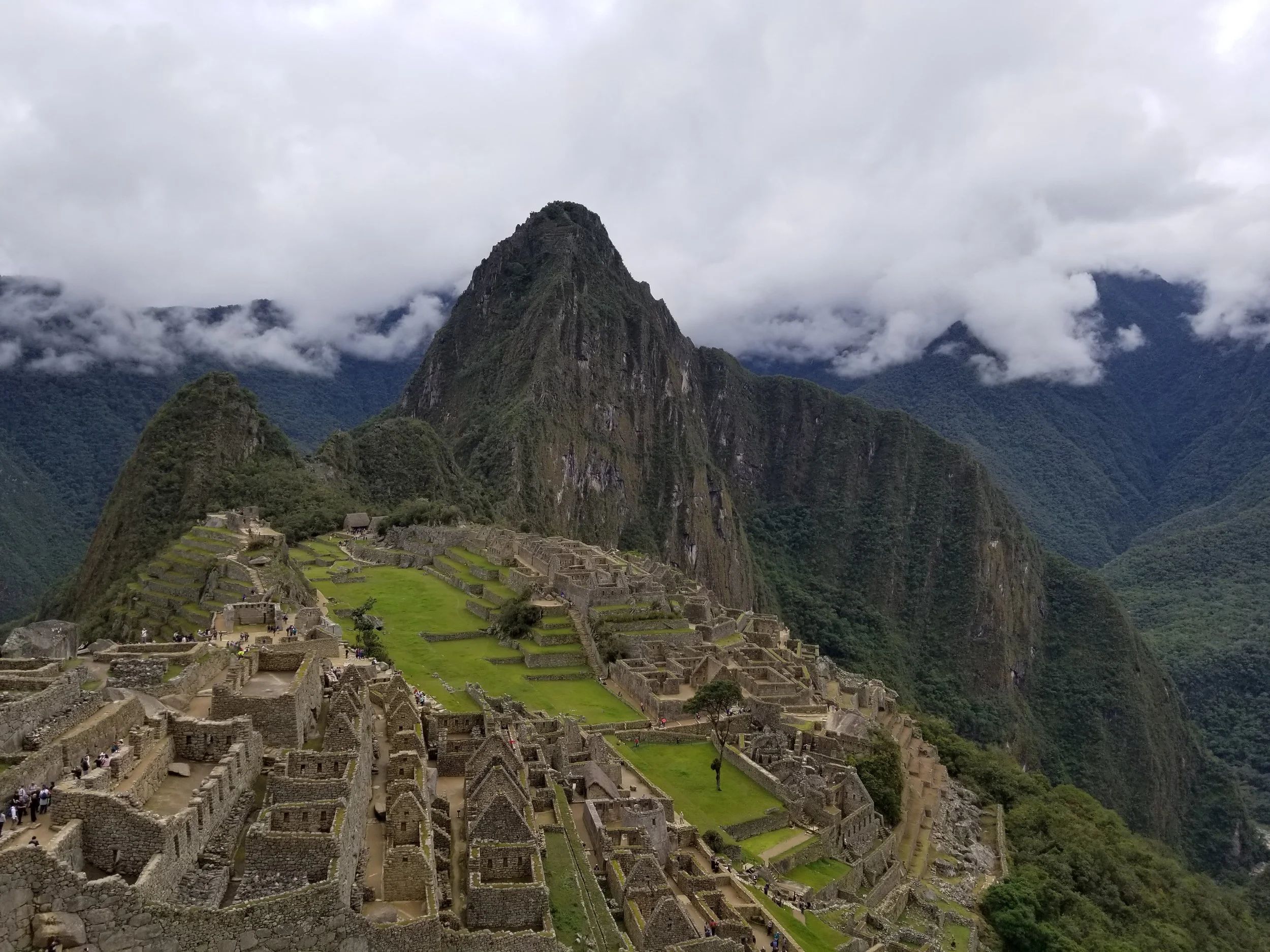
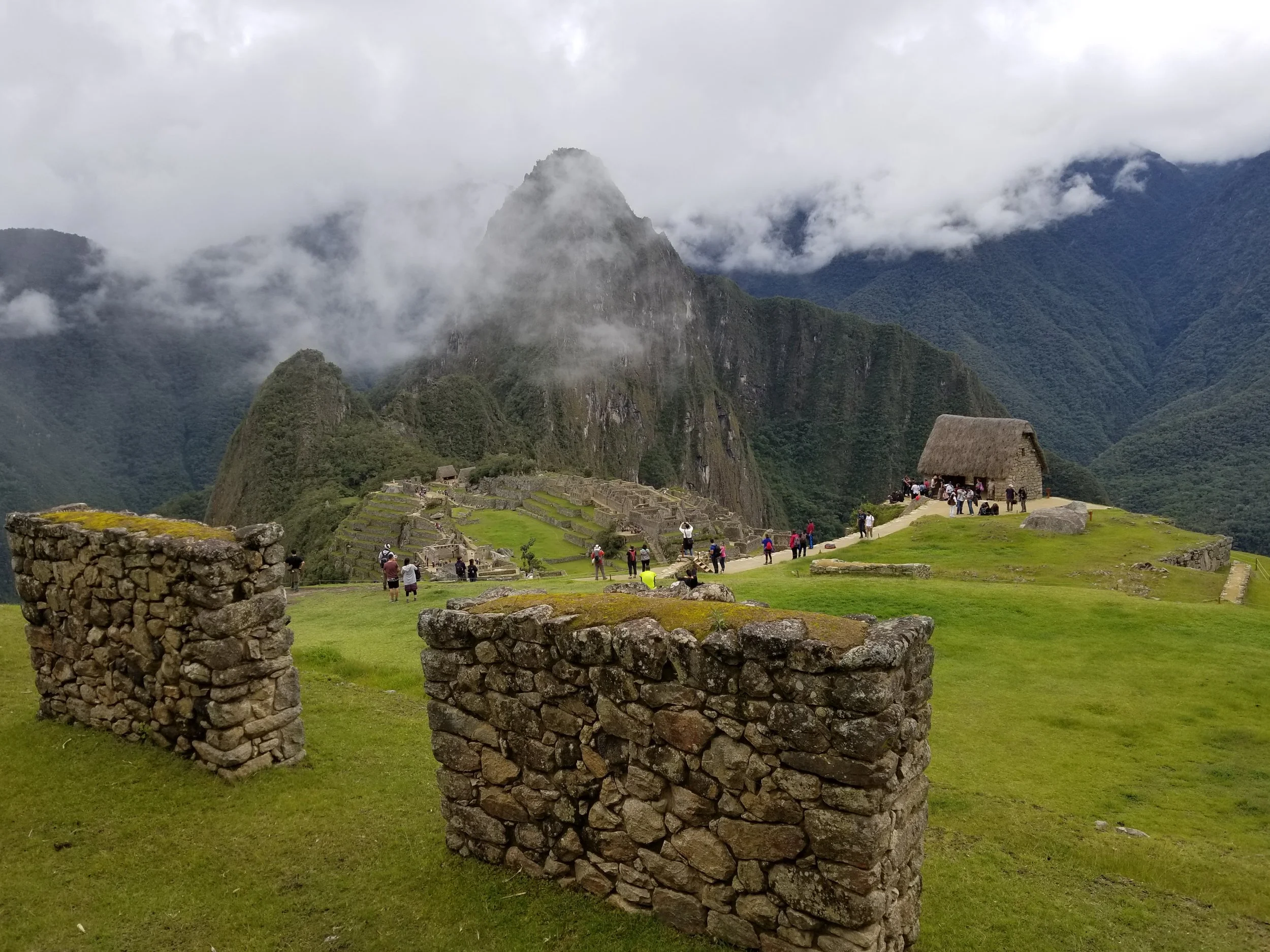
The ancient city rises out of the mountain ridge like something between architecture and nature. Terraces cascade down the slopes. Stone buildings cling to the cliffs. Behind them, the sharp peak of Huayna Picchu cuts through the clouds.
The entire citadel seems suspended between earth and sky.
For a moment, everyone falls silent.
Walking Through the Lost City of the Incas
Once inside the citadel, the experience becomes even more surreal.
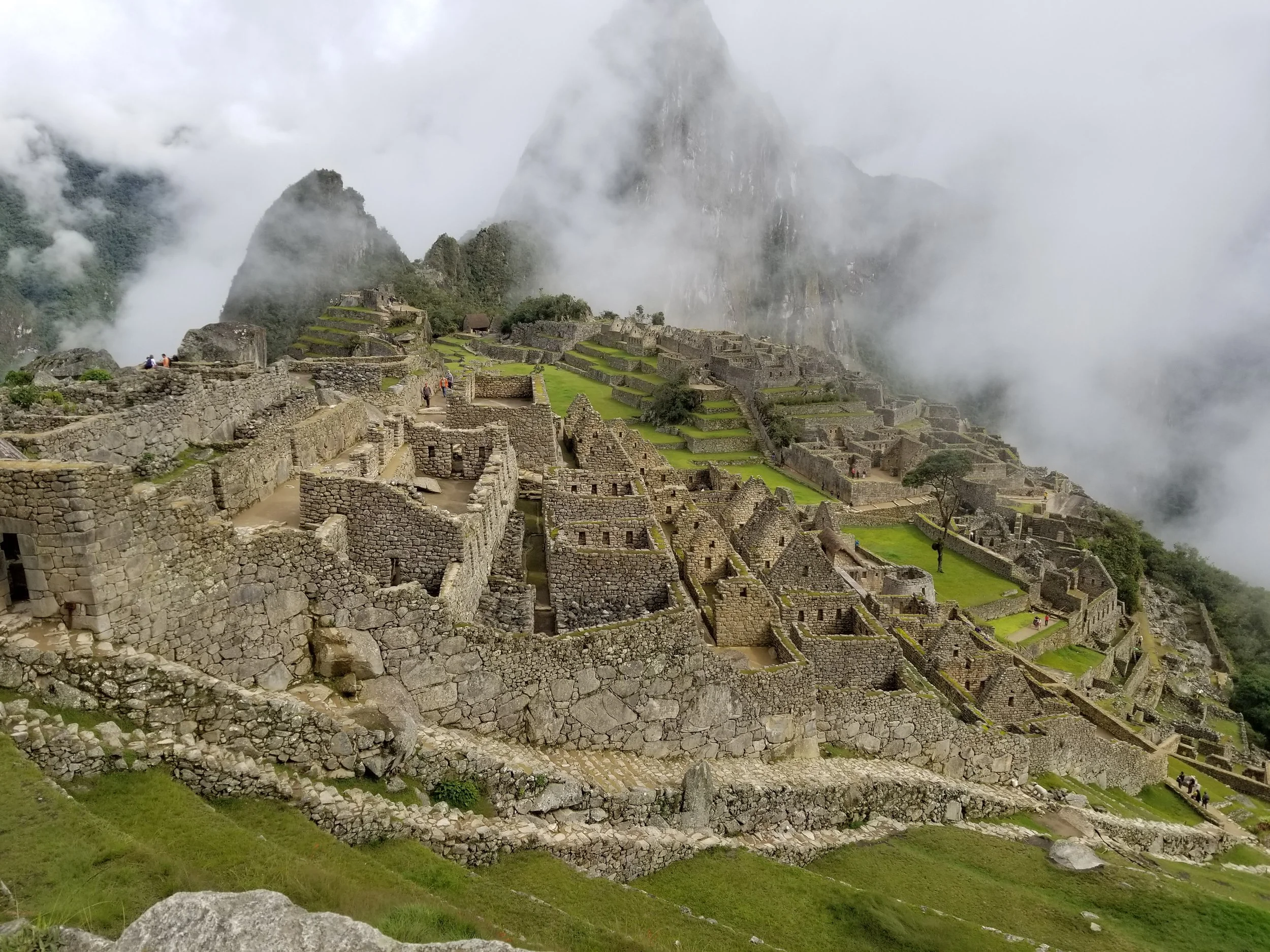
Stone walls, temples, and terraces stretch across the ridge in perfect harmony with the mountains around them.
Built in the 15th century during the reign of the Inca emperor Pachacuti, Machu Picchu is believed to have been a royal estate or sacred ceremonial site.
But even historians still debate its true purpose.
What we do know is this:
The Incas built an entire city at 2,430 meters above sea level, using stones so precisely fitted that even today many of the walls have survived earthquakes that destroyed later constructions.
Standing among those stones, you cannot help but feel the weight of time.
A moment above the clouds
There are moments in travel when you realize the place itself becomes tied forever to your personal story.
Machu Picchu was one of those moments.
Standing there together above the Sacred Valley, surrounded by clouds and mountains older than memory, it felt as if the entire world had narrowed into one quiet realization:
Some journeys change you forever.
The Magic of Machu Picchu
What makes Machu Picchu so extraordinary is not only its history.
It is the setting.
The Andes rise dramatically around the citadel, their peaks constantly shifting between sunlight and mist.
Clouds drift slowly through the valley.
The ruins appear and disappear in the fog as if the mountain itself is breathing.
It feels less like visiting a historical site and more like stepping into a living myth.
Why Walking to Machu Picchu Changes the Experience
Many travelers arrive by train from Cusco. And while that journey is beautiful, walking even part of the route adds something much deeper.
You feel the scale of the Andes. You understand how remote this place truly is. And when you finally see Machu Picchu appear through the mist, the moment carries the quiet satisfaction of knowing: You earned it.
Travel Tips for Visiting Machu Picchu
If you’re planning a trip, here are a few essential tips:
Best time to visit:
May–September offers clearer skies and drier weather.
Altitude:
Machu Picchu sits at 2,430 meters, while nearby Rainbow Mountain reaches over 5,000 meters, so acclimatization in Cusco is essential.
Book early:
Daily visitor numbers are limited and tickets often sell out weeks in advance.
Consider hiking:
Routes like the Inca Trail, Salkantay Trek, or walking the railway route to Aguas Calientes create a far richer experience.
Final Thoughts
Some destinations fade once you leave them.
Machu Picchu is not one of them.
Long after you descend from the mountains, long after the mist closes again around the citadel, the memory remains — quiet, powerful, almost dreamlike.
Perhaps that is why the Incas chose this place.
Not just for its beauty.
But because it feels like a place where the earth touches the sky.
